
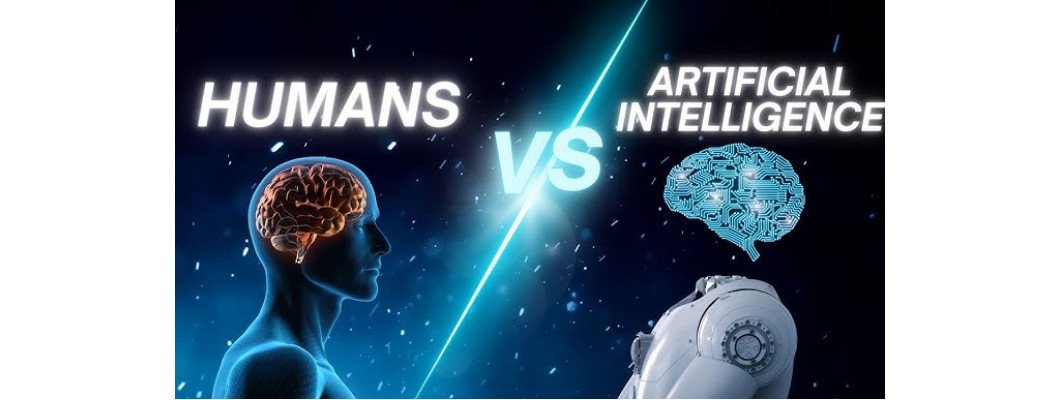
Artificial Intelligence (AI) Human Brain's Rival or Helpful Assistant?
Artificial Intelligence (AI) is transforming the way we work, learn, and solve problems. But the key question remains: Is AI a competitor to the human brain or a supportive tool? The answer depends largely on how we use it.
1. When AI Acts as a Competitor
AI can sometimes compete with humans in certain tasks:
- Automation: Robots replacing human labor in factories.
- Data Analysis: AI analyzing massive datasets faster than humans can.
- Content Creation: AI writing articles or providing customer service automatically.
In these cases, AI functions as a “rival” for repetitive, time-consuming tasks.
2. When AI Acts as a Helper
Most often, AI is designed to support humans:
- Healthcare: Diagnosing diseases, analyzing MRI scans, and assisting drug discovery.
- Education: Personalized learning plans for students based on their needs.
- Space Research: NASA's Athena supercomputer uses AI to simulate space missions efficiently.
- Daily Life: Smart assistants, navigation apps, and productivity tools.
Here, AI enhances human performance, rather than replacing it.
3. The Real Perspective
- AI is a powerful tool that can amplify human thinking and creativity.
- AI itself is not conscious; it operates based on algorithms and data.
- When used ethically, AI acts as a helper, improving decision-making and accuracy.
- Misuse or lack of oversight could turn AI into a rival or even pose risks.
Conclusion
Artificial Intelligence is not inherently a competitor to the human brain. Rather, it is a supportive assistant that enhances human capacity in problem-solving, decision-making, and innovation. The challenge lies in using AI responsibly, ensuring it complements human skills instead of replacing them.
Stay connected with Tech Mart for the latest insights on AI, innovation, and technology trends.
Leave a Comment